
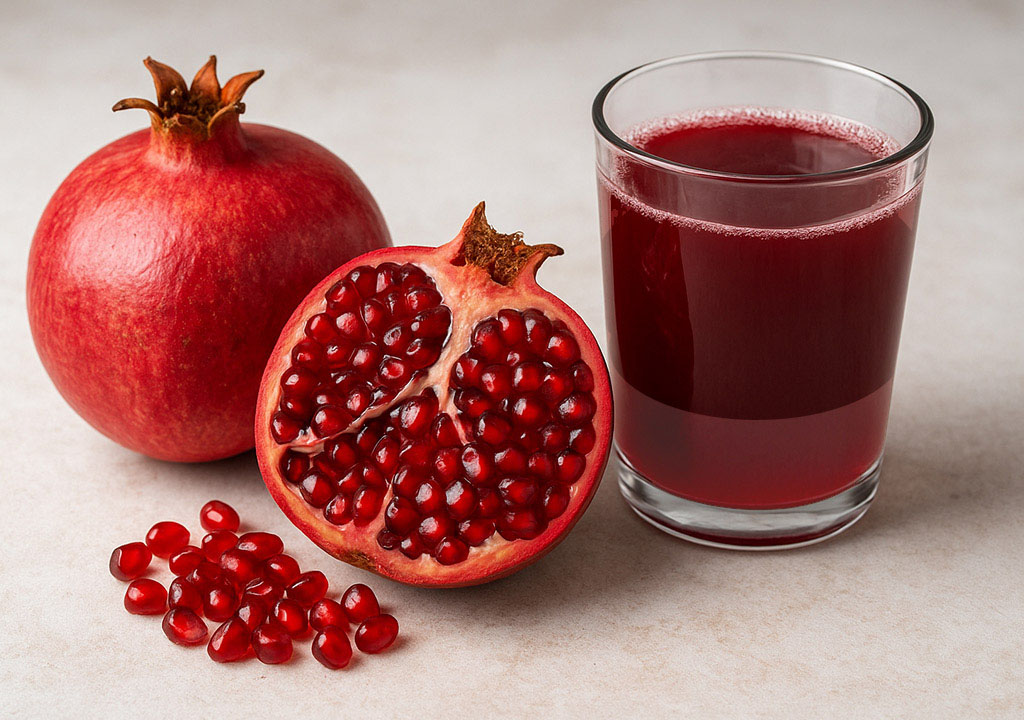
Pomegranates have long been appreciated for their rich flavor, vibrant color, and impressive mix of nutrients. The seeds and juice are packed with plant compounds that support overall wellness, which is why many people consider the fruit a nutritional powerhouse.
Supports a Healthy Heart
Pomegranates are naturally rich in antioxidants that help calm inflammation in the body. Several studies have observed that people who regularly drank pomegranate juice experienced improvements in blood pressure. Some research involving individuals with existing heart concerns also noted fewer episodes of chest discomfort and healthier markers related to heart function.
May Benefit the Urinary System
Early research suggests that pomegranate juice could support urinary wellness. Findings from animal studies show it might help limit factors connected to kidney stone formation, although specialists believe the fruit does not directly stop stones from forming. Still, its antioxidant content may play a supportive role in overall kidney health.Helps With Balanced Blood Sugar
Although pomegranates contain natural sugars, they can still be part of a balanced diet for people managing diabetes when consumed in moderation. Some studies have seen improvements in fasting glucose levels and indicators related to metabolic health, including issues like high blood pressure, cholesterol imbalance, and weight challenges. These benefits may extend to conditions such as metabolic dysfunction–associated steatotic liver disease (MASLD), which is commonly linked to obesity and insulin resistance.Aids Digestive Comfort
The fruit’s seeds are a great source of dietary fiber, which encourages smoother digestion. Pomegranates also supply polyphenols—natural compounds known to calm inflammation. Animal studies have shown that extracts from the fruit may help reduce the risk of inflammatory digestive conditions. Findings in humans suggest that pomegranate compounds may offer support for people dealing with ulcerative colitis.Potential Protective Effects Against Certain Cancers
Researchers have been exploring how pomegranate compounds behave in laboratory settings, and some preliminary work points to possible anti-cancer properties. Early studies have investigated the fruit’s impact on different types of cancer cells, including those related to the prostate, breast, lungs, colon, and blood. While these results are not medical proof, they highlight the fruit’s promising plant chemicals.Can Enhance Exercise Endurance
Athletes may benefit from the polyphenols found in pomegranates. In one study involving trained cyclists, those who took pomegranate extract were able to exercise for a longer period before reaching exhaustion. Some findings also suggest that these compounds may help muscles recover moreSupports Brain and Memory Health
The antioxidants in pomegranates may help shield brain cells from oxidative stress. In one long-term study, adults who drank a daily serving of pomegranate juice performed better on memory tasks than participants who received a placebo. Research on the plant’s leaves also points to possible protective effects related to cognitive function.
Why Pomegranates Stand Out
Pomegranates are rich in several notable antioxidants—such as punicalagins, ellagitannins, and anthocyanins—that help the body manage inflammation and defend against free radical damage. Along with these compounds, the fruit provides meaningful amounts of fiber and vitamin C, making it a smart addition to many eating patterns.
Nutritional Breakdown (Per 1 Cup of Pomegranate Seeds
- Calories: 234
- Fat: 3.3 g
- Protein: 4.71 g
- Carbohydrates: 52.7 g
- Natural Sugars: 38.6 g
- Fiber: 11.3 g
- Calcium: 28.2 mg
- Sodium: 8.46 mg
- Vitamin C: 28.8 mg
- Magnesium: 33.8 mg
- Potassium: 666 mg
- Folate: 107 mcg